Friday, 7 September 2018

Nendram Pazham Pradhaman Recipe

Nendram Pazham Pradhaman (Nendram Pazham Payasam) is a popular dessert made for special occasions and festivals in Kerala. Onam Sadya is incomplete without this dish. This delicious and easy to make payasam is made using ripe bananas (nendram pazham), coconut milk and jaggery.

Ingredients:
  • Nendram Pazham (Banana) – 4
  • Saboodana (Javvarisi) – 1/3 cup
  • Ghee – 3 tblsp
  • Milk – 1 cup, boiled
  • Jaggery Powder – 2 cups
  • Thick Coconut Milk – 1/2 cup
  • Cardamon Powder – a pinch
  • Fried Cashews – few

Method:
  1. Soak the saboodana in water for sometime and cook them separately.
  2. Add 1 cup of water to the jaggery and mix them.
  3. Strain the jaggery water and keep it.
  4. Take a heavy bottomed pan and heat it under medium flame.
  5. Add ghee and melt it.
  6. Add the mashed banana to the ghee and cook it.
  7. Add the boiled saboodana and jaggery water.
  8. Mix thoroughly.
  9. Add the boiled milk, grated coconut, cardamon powder, and cashews and boil it.
  10. Serve hot.

Vegetable Adai Recipe

Adai is a close cousin to Dosa and is very popular in South India. This, Vegetable Adai, is a delicious & nutritious adai made with mixed vegetables. Serve with coconut chutney or avial for breakfast, lunch or dinner.


Ingredients:
  • Adai Batter – 1 cup
  • Grated Carrot – 1/2 cup
  • Onion – 1/2 cup
  • Spinach – 1/2 cup, Finely Chopped
  • Ginger – 1 tsp, Peeled and chopped
  • Garlic – 1 tsp, finely chopped
  • Green Chillies – 1 tsp
  • Cumin Powder – 1 tsp
  • Oil – as Required
  • Salt to Taste
For Adai Batter:
  • Rice – 1 cup
  • Toor Dhal – 1/4 cup
  • Chana Dhal – 1/4 cup
  • Red Chillies – 4
  • Urad Dhal – 2 tblsp
  • Moong Dhal – 1 tblsp
  • Curry Leaves – few
  • Asafoetida – little
  • Salt to Taste
Method:
  1. To make the adai batter, take a bowl, add the rice, chana dhal, toor dhal, red chillies, curry leaves.
  2. Wash them in water for 2 or 3 times.
  3. Add the urad dhal, moong dhal and water.
  4. Add water until all the lentils are soaked properly.
  5. Rest it for 4 hours.
  6. Take a blender and add all the soaked lentils along with asafoetida and salt.
  7. Blend them to a coarse paste.
  8. Adai batter is ready to cook.
  9. Add the vegetables, ginger, garlic, green chillies, cumin powder, salt to the batter.
  10. Mix them thoroughly using water.
  11. Heat a tawa in medium flame.
  12. Grease it with oil.
  13. Pour the prepared batter and spread them gently.
  14. Add oil/ghee in the edges.
  15. Once cooked on one side, flip over and cook the other side.
  16. Serve hot with any chutney or podi.

Chocolate Kozhukattai Recipe

Kozhukattai (or Modak) is a popular Ganesh Chaturthi festival recipe to usher in the prosperity and good luck at home. Kozhukattai (Modak) is said to be a favorite dish of Lord Ganesha. This is a delicious chocolatey variation of the traditional kozhukattais. It can also be given as a gift for loved ones.

Ingredients:
  • Processed Rice Flour – 1 cup
  • Salt to Taste
  • Oil – 2 tsp
  • Water as Required
For the Chocolate Filling:
  • Choco Chips – 1/2 cup
  • Grated Coconut – 1/4 cup
  • Almonds – 8, chopped
  • Powdered Sugar – 2 tsp
  • Ghee – 2 tblsp

Method:
  1. For the fillings, take a pan and heat it over low-medium flame.
  2. Add the choco chips and melt them.
  3. Add the grated coconut, almonds, powdered sugar and ghee.
  4. Mix well until they get mixed evenly.
  5. When the mixture turns thick, remove from flame.
  6. Allow it to cool down.
  7. Take a pan and add boil water.
  8. Add 2 tsp of oil/ghee and salt  to it.
  9. When the water starts to boil, gradually add the rice flour along the sides.
  10. Keep stirring until the mixture turns thick.
  11. Make sure no lumps are formed.
  12. Remove from flame and gently knead them.
  13. Make small balls from the mixture and flatten them to disc shape.
  14. Keep 1 or 2 tsp of fillings, and close the balls.
  15. Steam cook the prepared kozhukattai’s in a greased idli plate for 10 to 15 minutes.
  16. Remove and serve.

Thursday, 6 September 2018

Photography………6 Ways to Use Shutter Speed Creatively


1. Freezing the moment
These are the images we all know about; ones that have captured a frozen moment in time. Normally these are sports images, the winning goal, or the knockout punch connecting. They are intriguing to most people and are compelling because we can’t freeze the moment in our eyes. We see a moving, continuous rendition of the events happening in front of us. You have seen “slo-mo” shots of the winning goal; the frozen moment image is that equivalent.
These images take a bit of practice to get right. Lets assume for a moment, you are photographing a soccer match. It is great to get action shots, but you will want to get any shots of the teams scoring goals. You will then need to have the correct lens. In sports photography, it will be a pretty long zoom or telephoto lens. Most sports photographers will use 400mm and longer. You will also need to keep your camera steady. A tripod in these cases is somewhat impractical as you need to be able to move the camera quickly and easily to follow the game. A monopod is normally what works best.
Depending on the lighting conditions you need to make sure you have a shutter time that captures the players in mid-action. You also need to take the lighting into consideration. If you are shooting in an outdoor arena, the natural light may be sufficient, but if you are in an indoor arena, you might need to be more aware of your exposure. In that case, you may need to push your ISO up high enough to allow you to freeze your subject. In most sports 1/1500th of a second is the starting point for freezing action. In very fast sports like ice hockey, soccer, rugby and so on, you may need to be shooting at even faster speeds than that. This is how you set up the shots.
Technique
How to do it: Set your aperture to an aperture setting of f/2.8 or f/4.5. This will allow for a quicker shutter time, which will in turn freeze the action. If you are shooting a sporting event in the sunlight, you may need to have your shutter time set to 1/1500 or faster. If this is still not freezing the action, make the shutter time even quicker. Try and anticipate the action and release the shutter at the moment you think it will happen. Be aware that your focus will need to be spot on. With a wide aperture, you run the risk of misfocusing and missing a shot. I once heard a sports photographer say this ” If you see the goal in your viewfinder, you missed the shot”. When you do get that shot though, it will be worth it.
2. The decisive moment
Henri Cartier-Bresson coined the phrase, “The Decisive Moment”. Do a google image search on Cartier-Bresson and the decisive moment, you will see many of his great images. He was well known as a street and people photographer, and he believed that you need to choose the precise moment when something happens to hit the shutter release. As you can imagine, this is not easy. Sometimes this might mean you 


need quick reflexes.  Most of the time, it requires patience. He would often set up the shot, get the framing right and then wait. You don’t want to wait for hours, but be patient, sit there for 20 or 30 minutes and watch the scene. Take note of how people are moving into, and out of your frame. When time is right, or the perfect subject (person, vehicle, animal, whatever you choose) moves into the best position, release your shutter at that moment. This will take practice and more than a few shots to get it right, but when you do, you will be ecstatic. The shot will look candid, but you will know what it took to get that image. Many people assume Cartier-Bresson’s images were simply shot quickly from the hip, but much of the time they were planned and he waited patiently for the decisive moment.
Technique
How to do it: You need to think of a scene you would like to capture, visualize it. You may want to capture the comings and goings at a coffee shop in your city. You may want to have someone with a red coat sitting outside, sipping coffee. You should then set up and frame your shot, then sit there until the scene unfolds. Someone with a yellow jacket may sit down, which might work too. So be flexible, but be patient, sooner or later the shot will unfold.
3. Abstract and creative blur
As I said earlier, shutter time is a bit like time travel. You can capture an infinitesimally small slice of a moment, and in other cases you can capture seconds, or even minutes. When the shutter is open, light is coming through your lens and falling onto the cameras sensor. If you allow this to happen for a long enough time, some part of your image will blur. Sometimes blur in an image is unwanted. This happens when your shutter time is too long, your camera moves unintentionally, and the image is ruined.


A close-up image of a flower, shallow depth of field blurs the background, but the yellow stamens are in focus.

The kind of blur I am talking about here is intentional blur. This technique can be used to make slightly, or completely, abstract images, depending on the shutter time. The longer the shutter time, the more movement there is, and the more blur you will see. Blurring can be the result of your subject moving, you moving the camera, or both. If your subject is moving and the camera moves, the blur can be very dynamic. If your camera is on a tripod and the subject moves, this creates a sense of speed.
Technique
How to do it: Set your aperture to f/5.6 or higher (smaller opening). Attempt this in low light conditions, just before and just after sunset. Set your shutter time to 1/10th of a second or longer. Release the shutter and move the camera quickly from left to right. You can rotate the camera, move it up and down, or even just shake it in your hand while the shutter is open. In this technique, you will be moving the camera and the scene could have moving elements in it too (i.e. a car or a bus could be driving past, or people could be walking in the scene). The results will be random and unusual, but with practice, you can create some pretty compelling abstract images.
Camera swirl, this image was made by rotating the camera anti-clockwise while the shutter was open
4. Low light exposures

The goal in low light exposures is to have the scene in focus, and only one part in the scene moving. This is particularly interesting at night when you get light trails from a vehicle driving through your scene. You can do this in the early evening or evening if it has become dark. These images are compelling because the light trails from the vehicle seem to hang magically in the air while the vehicle itself is invisible. Another great time to shoot longer exposures is during the blue hour; the 20 to 30 minutes of soft blue light that fills the sky after the sun has set. This is a great time to do longer exposures too as the sky will look blue and your subject (a city or a landscape scene) will be well lit.
Technique
How to do it: Set your camera up on your tripod. Select an aperture setting of f/8 to f/11. Set your shutter time to expose correctly for the scene. Depending on the light your shutter time could be anywhere from 1/10th of a second to three or four seconds. As it gets darker, your shutter time will need to increase. Set yourself up in a position where something will be moving – cars, boats or even people can work well for this. Take a few shots to see how it is all working and make any adjustments. The important technique here is timing. If you want to get a shot with the car lights streaming through your shot, time it so that you release the shutter as the car is in the best place in your scene, similar to the decisive moment.

 Low light exposures
The goal in low light exposures is to have the scene in focus, and only one part in the scene moving. This is particularly interesting at night when you get light trails from a vehicle driving through your scene. You can do this in the early evening or evening if it has become dark. These images are compelling because the light trails from the vehicle seem to hang magically in the air while the vehicle itself is invisible. Another great time to shoot longer exposures is during the blue hour; the 20 to 30 minutes of soft blue light that fills the sky after the sun has set. This is a great time to do longer exposures too as the sky will look blue and your subject (a city or a landscape scene) will be well lit.

Technique
How to do it: Set your camera up on your tripod. Select an aperture setting of f/8 to f/11. Set your shutter time to expose correctly for the scene. Depending on the light your shutter time could be anywhere from 1/10th of a second to three or four seconds. As it gets darker, your shutter time will need to increase. Set yourself up in a position where something will be moving – cars, boats or even people can work well for this. Take a few shots to see how it is all working and make any adjustments. The important technique here is timing. If you want to get a shot with the car lights streaming through your shot, time it so that you release the shutter as the car is in the best place in your scene, similar to the decisive moment.

This scene works well because the light trails add some dynamic interest to the image
5. Long exposures
As the name suggests, these are longer shutter times. In some cases, they may be 20-30 seconds long, but for some really interesting images, you will want keep the shutter open for 15-20 minutes. Long exposures require the use of a 10 stop Neutral Density filter. This filter will block out the light sufficiently to allow you to open your shutter for long periods of time. The results can be amazing. You can use the ND filter in the day to make your shutter time longer. “Why would I want to do that?”, you might ask. You might have a scene with a windmill in it and you want to blur the movement of the windmill as it rotates. You might also want to create a seascape scene where the waves look silky and smooth. In these cases, an ND filter will be very useful.


ISO 100, f/11, just under 13 minute exposure.Technique
How to do it: Set up your camera on a tripod. Set your aperture to anywhere between f/11 and f/16. In these images, you will want to have an exposure time of 15-30 seconds and longer. You will need a cable release to go beyond 30 seconds on your exposure. You want a lot of movement in the scene, whether it is light trails or clouds moving across the sky. The longer you have the shutter open, the more surreal the image will become.
If you have an ND filter, set up your shot first, use autofocus to get everything in focus, then switch your camera to manual focus. The reason is, once you put the ND filter on your lens, the scene will become very dark. If your camera is on autofocus, it may struggle to find a focal point. If that happens, your lens will “hunt” for something to focus on and you won’t be able to get the shot, or it may be out of focus. So, once you have focused your image, switch to manual focus and mount the ND filter onto your lens to make the shot. Be aware, long exposure photography can really eat up battery life, so carry spare batteries if you have them, especially on cold winter evenings!

This image was exposed for four minutes, which softened the water and the clouds

6. Panning
This technique, when done correctly, can produce amazing results, but it’s not easy. Panning is when you focus on a subject that is moving, and you move your camera in a horizontal plane with them. During that movement, you will release the shutter. Your exposure time will depend on the subject and the light, but in this technique you don’t want to freeze the action, you want to suggest movement. A longer shutter time is preferable, so you may be shooting at 1/30th or slower. To pan effectively, you will need to practice a few shots, here are some pointers.
Technique
How to do it: Firstly, stand with a wider stance than normal. When you pan with your subject, move your body from the hips up. Timing is key, release the shutter when you think the subject is in a good position in the frame. Follow through, don’t stop the movement when you release the shutter, keep moving with your subject (and at the same speed as the subject) until the shutter closes (think golf swing).

A panning shot creates a very unique sense of movement.
The next step is to go out there and get these shots. I would recommend you make an effort to try at least 20 to 30 shots of each of these techniques. Play with the settings, see what works and what doesn’t. Let me know what you think and maybe even put some of the results in the comments, lets see what you get.


Tuesday, 4 September 2018

How To Build Quality Muscle


In a perfect world all muscle would be equal. If we needed to increase strength then we would simply need to put on muscle. Unfortunately the world is not perfect and all muscle fibers are not equal. This means that when it comes to functional strength size of muscle really does not matter and quality is all important. 

This is an area that is still being researched despite a century of experimentation so it’s worth diving deep in order to understand the mechanics of the muscles of the body a little better. Muscle accounts for up to 50% of our body’s total weight. Of that, some is cardiac muscle which is highly specialized and some is smooth muscle such as that found in our guts. The rest is skeletal muscle which is the muscle we try to control voluntarily, through physical training. 
How Do Muscles Work?
Although we frequently treat the body like a machine (we call it an “adaptive machine” for example) and suggest that it is a biomechanical construct through which act physical forces, the truth is that we are way more complex than that. Beyond the biomechanics that make our muscles act like levers that can exert force upon objects, there is a biochemical aspect to us and a neurological one. 
An untrained person who is asked to throw a punch, for example, will generate only a fraction of the force of a trained person even if they have more muscle. The reason for that is neurological. A person who has trained themselves to perform a physical action like throwing a punch, has specific neural pathways in the brain that allow the body to recruit more muscle fibers than an untrained person and coordinate them all together to produce maximum force. The person who isn’t trained hasn’t got those neurological pathways in their brain and cannot, as a result, recruit sufficient muscle fibers nor can they adequately coordinate the ones they do recruit. They end up, then, using a lot of energy but producing very little effective output. Simply put, their muscles are inefficient. 
The same principle applies to doing a push up, performing a chin up or lifting a heavy weight, which is why those who are used to doing these seem to be able to perform them so easily. To compare like-for-like we will use the simple push up as a guide, throughout the article, as we look at what happens to muscles as they work. 
Now, when we do perform a push up several different mechanisms kick in. The first of these is the biochemical one and it’s called the adenosine triphosphate–creatine phosphate (ATP-CP) system. It uses fuel stored directly in the muscles to respond fast and furiously to the need to activate the muscles. 
The moment that fuel is exhausted the glycolytic or Krebs cycle kicks in. The Krebs Cycle is the central metabolic pathway in all aerobic organisms. The cycle is “a series of eight reactions that occur in the mitochondrion. These reactions take a two carbon molecule (acetate) and completely oxidize it to carbon dioxide.” The Krebs Cycle is responsible for the breakdown of blood sugar or carbohydrates, through the process of glycolysis, to produce adenosine triphosphate or ATP. The Krebs Cycle is aerobic (i.e. it uses up oxygen). 
The moment the blood sugar levels are insufficient for the Krebs cycle to continue the oxidative (or fully aerobic) system kicks in and fat reserves stored in the body are catalyzed. These three energy systems overlap and even support each other with the oxidative system helping the ATP-CP cycle recover and replenish itself while still training which is why, say in the middle of a 10km run, with leg muscles feeling like they have no energy left, we can still break into a sprint if necessary, even if at the beginning of the run we exhausted all the fuel stored in our muscles.
While all this is going on biochemically the mechanical side of muscle movement is no less fascinating. In order for muscles to move and us to perform a single push up the command needs to be given by the brain to recruit the muscle fibers necessary to do it. 
The command to do a push up is given by the brain and it travels down the corticospinal track to reach a bundle of muscle fibers called a motor unit. A motor unit is a single neuron and the bundle of muscle fibers it activates. Delicate movements, like drawing with a pencil, use motor units where each neuron activates tens of muscle fibers creating very precise, highly controlled movements. Doing a push up uses motor units where each neuron activates thousands of muscle fibers resulting in explosive and less precise movements. 
We shall get back to the exact mechanism of muscle contraction but it’s worth mentioning here that a push-up requires more than strong triceps and powerful deltoids. It really needs a good core (to keep the body straight), strong abs (that activate as we bring ourselves back up), good upper back and neck muscles (to keep the head straight), strong pecs that help support the upper body musculature, strong glutes and quads (for that straight plank effect). All of these, working together make a push up seem fluid, easy and powerful. Very precisely controlled. But recruiting all these muscle groups requires changes in the neurological part of us – the neural pathways in our brain that recognize the movement and already have clearly defined channels to make it happen without much working out on the best way to do it. 
Strength then is not just physical. A critical component of it is mental which is why functional strength (the ability of muscles to coordinate and work well together) does not rely on muscle size. Studies that show that powerlifters, for example, are stronger than bodybuilders who are clearly bigger in the muscles they have also show that powerlifters recruit more muscle groups than bodybuilders, in different order. 
Finally, while all this is happening the real work in the muscles is done by Acetylcholine which is released when the motor unit fires its command to perform the push up of our example. Acetylcholine is a neurotransmitter which creates a twitch in the muscle fibers. When enough twitches happen together they cause a full contraction and generate a movement in a muscle group.  
At this point we can break things down even further and see that each muscle fiber contains cells called myofibrils which do all the heavy lifting. Each myofibril is made up of sarcomeres separated by Z-lines. The Z-lines get closer and closer together as the myofibril contracts. The reason the myofibril contracts is because protein chains made up of microscopic actin and myosin protein filaments slide across each other. 
Basically the push up we performed only became possible because of the action of actin and myosin chains but that action would have been impossible without other proteins (troponin and tropomyosin), ions (sodium, calcium and potassium), energy carriers (ATP), and blood circulation to deliver oxygen and remove carbon dioxide. 
Building Muscles Up
In theory, knowing how muscles work allows us to begin to better understand what we should do to build muscles up. We say in theory because while there is a lot of anecdotal evidence on muscle training and muscle quality the process itself is still far from clear. 
When we train our muscles we want to achieve a combination of three things: strength, speed and endurance. Having stronger, faster muscles that get tired less easily makes us more athletic and enables us to perform everything physical with greater ease. 
This is the point where things get really interesting however. While we know what to do to get bigger muscles we do not always end up with faster and stronger ones. That’s because when it comes to growing muscles an increase in muscle size, called hypertrophy, does not always equate to a corresponding increase in muscle strength, speed or stamina. 
Strength, in particular, is perhaps the most deceptive. As we have seen neural adaptations, the brain’s ability to recruit and then coordinate more muscle groups in a more efficient way, plays a large role in developing what we call functional strength. Gymnasts, ballet dancers, martial artists and boxers can generate more effective force in what they do than, say a body builder who has visibly larger, more defined muscles. 
In order to make a more effective analogy however, studies on the quality of muscle that can be built have focused on comparing body building with its cousin: powerlifting. Generally body builders seem to have an edge on size but powerlifters can shift more weight. This suggests that the structure of muscle fibers is not always the same and that depending on the kind of training you do you can get an increase in muscle size without gaining much in strength. 
Direct evidence of this comes from the Bodybuilding annals themselves. In 1993, Tom Platz, who reputedly had the biggest legs in bodybuilding history, entered into a squatting competition with Fred Hatfield, who was the first guy to squat 1,000 pounds.
Although Tom Platz's legs were much bigger than Fred Hatfield's, Fred squatted 855 pounds to Tom's 765 pounds. But when they took some weight off the bar and decreased the load to 525 pounds for a test of lower-body endurance, Tom beat Fred, performing 23 reps compared to Fred's 11.
A more scientific study published by the National Strength & Conditioning Association backed this up by showing that already fit people who trained with low loads and lots of reps (like bodybuilders do) were able to increase endurance and muscle size but those who trained with high loads and few reps became stronger without having an increase in muscle circumference. 
If we used push-ups as an example of how to train, ten slow reps done often in the day would lead to an increase in muscle size and would improve the ability to do slow push up reps frequently without tiring (endurance). However fifty push-ups done in one go, as fast as it is humanly possible (resulting in high muscle load) would lead to an increase in strength without necessarily increasing the size of the muscles involved. 
High Quality Muscle
While no one wants low quality muscle, the idea of what is quality muscle is subjective and depends on what the particular sport is. Bodybuilders, for example, want their muscles to be as big as possible and quality muscle, for them equals size. Powerlifters and sprinters on the other hand want muscles that will generate great force in the shortest possible time and for them quality muscle is muscle that is heavy and strong instead of big. 
Before we get to the critical question of how do we build muscle that’s really strong it’s worth asking how can muscle be big without being also very strong? This is where muscle architecture comes in. Depending on the kind of training there are three ways to generate muscle size without improving strength: 
  • Highly pennated muscles – pennation has to do with the angle muscle fibers grow in, in relation to the direction of the force applied by a tendon. Muscles in the calves, for example are highly pennated (angled). As a result only a portion of their force is directed towards the axis of the tendon to be converted into useful power. The rest is used to squeeze the muscle tightly together. Cross-sectional biopsies of bodybuilding muscle have shown that the pennation angle of their muscles is greater than that of other athletes. This results in bulkier muscles which do not, however, harness their power effectively and do not provide a corresponding increase in strength.
  • Slow-twitch action fiber – muscles that have been trained for endurance have a lot of slow-twitch action fiber. This is generally bulkier than its much shorter, fast-twitch action fiber making the muscles bigger but not stronger.
  • Sarcoplasmic hypertrophy – it is possible to have an increase in the non-contractile elements of a muscle’s architecture such as increases in collagen, glycogen, and other cellular subunits which result in greater fluid retention and an increase in muscle, without any increase in strength.  
Muscle that is built for strength requires: 
  • High load, low reps
  • Muscle fibers that are aligned with the direction of the tendon force being applied (which requires ballistic movements and bodyweight exercises)
  • High Intensity Interval Training (HIIT) performed regularly
  • Bodyweight exercises as they recruit a lot of different muscle groups and provide one of the best shortcuts there is to developing functional strength
Summary
After a certain point muscle size and muscle strength become incompatible with each other. You need then to train for one or the other but training for both to the same extent becomes nearly impossible. 
Bodybuilders and powerlifters, marathon runners and sprinters are perfect examples of the body’s adaptive capabilities. Each is a perfect specimen of the requirements of their sport. Pitting one against the other in order to determine whose ‘best’ is counterproductive. It’s like comparing a forklift truck to a Formula One car. They are both four wheeled vehicles but each has been made to do something very specific.  
Bodybuilders and powerlifters could both benefit by using each other’s training techniques. Bodybuilders may experience greater strength gains and powerlifters will begin to look more muscular. 
Most of us require functional strength and this has a strong neural component and better muscle coordination, before we begin to look at muscle size. If we also require size we must incorporate a low-load, high rep training day here and there in our regime. 


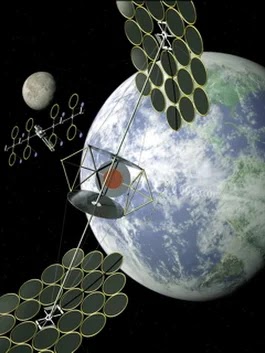
Has the time come for Space Based Solar Power?


Scientists are divided

SBSP has its roots in the 1941 short story Reason, by Isaac Asimov, which depicts a space station – run by robots – collecting energy from the sun to distribute to Earth and other planets. No further thought was given to the idea until the late 1960s, when aerospace engineer Peter Glaser began to investigate its potential. In the following decades, various concepts were put forward but none took off.

But in recent years, SBSP has once again begun to attract attention with projects emerging in the US, Russia, China, India and Japan, amongst others. All are driven by increasing energy demands, soaring oil and gas prices, a desire to find clean alternatives to fossil fuels and by a burgeoning commercial space industry that promises to lower the cost of entry into space and spur on a host of new industries.

Nansen is calling for the US government to invest in SBSP research and development as a matter of urgency. “England dominated the world economy during the industrial revolution because of coal. The United States dominated the world economy after the discovery of oil in Brownsville, Texas in 1901. I'm confident that whoever develops SBSP will have a similarly dominant position in the world economy,” he says.

Article link: http://www.bbc.com/future/story/20130226-space-based-solar-farms-power-up

THE BRAIN’S TINY THRILL SEEKERS


Microglia (pink) are a sort of garbage disposal for the brain. They quickly engulf small protein-coated latex balls and digest them. NeuroscienceNews.com image is credited to Susanne Wolf, MDC.


Microglia, the immune cells of the central nervous system, differ in male and female mice. MDC researchers report on the sex-specific features in Cell Reports. Their findings could change how we treat neurological diseases.
Microglia watch over the brain’s health around the clock, much like a battalion of tiny soldiers. When the cells sense pathogens or an injury through their movable projections, they rush to the trouble spot – and try to save that which is still salvageable.
But they do so quite differently depending on the animal’s sex. “We were really surprised to find so many differences between the microglia of male and female mice,” says Dr. Susanne Wolf, senior author of the study published in the journal Cell Reports, and researcher in the Cellular Neurosciences Lab at the Max Delbrück Center for Molecular Medicine (MDC) in Berlin.

Male cells are always ready for action
Together with colleagues at Charité – Universitätsmedizin Berlin and a group of researchers from Warsaw, Wolf conducted a study on the structure and function of microglia, using brain slices and isolated cells. “It turns out that the brains of male mice have more microglia,” says Wolf. And, according to the researcher, that’s not the only difference: the cell bodies of male brain immune cells are larger than their female counterparts.
She and her team also determined not only which genes are active in the male and female cells but also which proteins are produced by these genes. “We identified more than 1,000 genes and 300 to 400 proteins that are regulated differently according to sex,” says Wolf. Many of them, she adds, are more active in male microglia – such as those that are involved in the production of defense molecules.
What’s more, everything suggests that the male cells also act differently than female cells. “The microglia of male animals seem to be permanently at attention, ready to strike and keep order,” Wolf says, adding that tests show there are higher voltage levels in the membranes of male cells even when they are idle. And, according to the researcher, the cell surface contains more of those proteins responsible for stimulating T cells during inflammation.
In another experiment, the team of researchers treated microglia with the signaling molecule ATP, which is released in greater amounts when the brain suffers an injury. “We discovered that male cells respond much more robustly to ATP than their female counterparts – a response that includes higher ion currents and increased production of certain proteins, among other things,” explains Wolf.
Female microglia have better survival skills
Male microglia, says the researcher, appear to wear themselves out faster because of their constant alertness. “In the female cells, proteins and genes responsible for protecting cells, such as DNA repair genes, are more active,” Wolf explains. “In the male cells, on the other hand, we see increased activity of genes involved in initiating programmed cell death.” This means, she adds, that male microglia might be less protected against environmental insults and quicker to activate the cellular suicide program.
“It almost seems as if the male cells are more willing to take risks than the female ones,” says the study’s first author Dilansu Guneykaya, a PhD student at the MDC. “They almost always react faster, but as a result they sometimes seem to put themselves in danger.”
Another study recently published in Cell Reports also confirms that the thrill-seeking nature of male microglia does not always pay off. “The Italian researchers were able to show that the cells of male mice had a harder time dealing with an experimentally induced stroke than the microglia of female mice,” reports Wolf. “But when female microglial cells were implanted in the brains of male mice, the effects of vascular obstruction were less severe in these rodents.”
Therapies need to take greater account of differences
As early as 2010, reports Guneykaya, researchers criticized in the journal Nature that male animals are used in neuroscience studies much more than female animals – pointing out that this practice could distort findings. “Our study clearly confirms this hunch: the brain immune cells of both sexes act very differently,” says Guneykaya. It is crucial, she adds, that this insight be taken into account in future research on neurological, and especially, psychiatric disorders.
“At the University of Groningen, with whom we collaborate closely, there are plans to repeat our murine experiments with human brain material taken from recently deceased donors,” reports Wolf. But, she adds, already today researchers conducting patient studies to test medications for neurological disorders must be aware of the fact the brains of men and woman could respond very differently to the same agent.
“Sex-specific differences can also be seen in the frequency of neurological disorders,” add Wolf. Autism, for example, is about four times more prevalent among boys than girls. In contrast, about twice as many women than men suffer from multiple sclerosis. “The differences are there, but are not yet sufficiently taken into account when treating patients,” says Wolf. She adds that she hopes her study will help change this.
Transcriptional and Translational Differences of Microglia from Male and Female Brains
Sex differences in brain structure and function are of substantial scientific interest because of sex-related susceptibility to psychiatric and neurological disorders. Neuroinflammation is a common denominator of many of these diseases, and thus microglia, as the brain’s immunocompetent cells, have come into focus in sex-specific studies. Here, we show differences in the structure, function, and transcriptomic and proteomic profiles in microglia freshly isolated from male and female mouse brains. We show that male microglia are more frequent in specific brain areas, have a higher antigen-presenting capacity, and appear to have a higher potential to respond to stimuli such as ATP, reflected in higher baseline outward and inward currents and higher protein expression of purinergic receptors. Altogether, we provide a comprehensive resource to generate and validate hypotheses regarding brain sex differences.


Monday, 3 September 2018

How brown adipose tissue reacts to a carbohydrate-rich meal

How brown adipose tissue reacts to a carbohydrate-rich meal

Brown fat consumes energy, which is the reason that it could be important for preventing obesity and diabetes. Working together with an international team, researchers at the Technical University of Munich (TUM) were able to demonstrate that food also increases the thermogenesis of brown fat, and not just cold, as previously assumed. Brown adipose tissue in humans has been the subject of numerous studies, as it has the exact opposite function of white adipose tissue, which stores energy in the form of storage fats called triacylglycerides. Specifically, brown fat burns the energy of the triacylglycerides (thermogenesis). However, the activity of this physiologically highly favorable adipose tissue changes over time: It decreases with age, just as it does in obese individuals and diabetics. Hence, ways to heat up thermogenesis in brown fat are being sought which can be used to prevent obesity and diabetes. To date, only one option has been acknowledged in this context: Cold-induced thermogenesis. "Studies showed that participants who spent hours in the cold chamber daily not only experienced an increase in the heat output of brown fat in the cold as they got used to the lower temperatures, but also an improvement in the control of blood sugar via insulin," reports Professor Martin Klingenspor, head of the Chair for Molecular Nutritional Medicine at the Else Kröner-Fresenius Center at TU Munich.


Thursday, 9 August 2018

Wild Life


Monkeys and parrots and raccoons screeching and squawking and chittering
 After a hard day in the sun, this girl is resting up

Walruses playing in the poler sea, with the glaciers in the background

The Taipei Zoo (Chinese: 臺北市立動物園), sometimes referred to as the "Muzha Zoo" (木柵動物園), is a public zoological garden in Taipei City in Taiwan. It is the most famous zoological garden in Taiwan and a leader in conservation, research and education, and recreation. It is also the largest zoo in Asia

Polar bears like to be clean and dry because matted, dirty, and wet fur is a poor insulator.  In summer, if the bears find something to eat, they feed for 20–30 minutes and then head for open water and spend up to 15 minutes washing off, according to scientist Ian Stirling. They also lick their paws, chests, muzzles and balls. Polar bears dry themselves by shaking off excess water and by rubbing their fur in the snow. In winter, polar bears clean themselves with snow instead of water. Bears rub their heads in the snow, push forward on their tummies, and roll on their backs.


Wednesday, 8 August 2018

SCENIC LOFOTEN ISLANDS OF NORWAY


Lofoten islands of Norway is one of those places where one can literally feel that he is at the far edge of this world. Especially if this is his first visit to Europe and he is looking for someplace remote, rugged, wild with otherworldly charm and beauty. Guess what, Lofoten islands fitted the bill perfectly and didn’t disappoint at all!
Once at Lofoten Norway one can travel through miles of the breath-taking landscape without finding a single soul around and still manage to feel completely safe. While driving here everyone will have that constant urge to pull over his vehicle every 5 minutes and capture the landscape.
Everybody must witness the 2 most stunning phenomenon of the midnight sun and northern lights that occur in Lofoten Norway.
What are Lofoten Islands?

Lofoten is an archipelago located in the northern part of Norway well above the Arctic circle. It has seven major islands Moskenesøy, Flakstadøy, Vestvågøy, Austvågøy, Gimsøy, Værøy and Røst. Each one of these islands has a distinct charm to them. They consist of tiny picturesque fishing villages with red fishing huts called Rorbu/Rorbuer, dramatic pointed mountain peaks, calm arctic ocean and beaches, numerous hiking paths, skiing spots, kayaking (only during summer months), Viking history museum, Cod fishing museums etc.
Lofoten archipelago is relatively small compared to the diversity of the landscape it has to offer. East to west it takes about 4 to 5 hours to traverse through the main islands, leaving Værøy and Røst which needs a boat to reach. All the islands of Lofoten are connected by European highway e10 which even continues to Sweden.

Road Trip across Lofoten Islands……
To do a road trip through Lofoten islands you can choose any place as your base or just start the journey and stay in a different village each day as you move along. If you are comfortable pitching a tent then that is the best way since you don’t need to worry about getting to the accommodation by night. Most places have strict check-in times after which no one will be present to check you in.

Though there are public buses along e10, anywhere off the main road it will be difficult to reach if you rely on public transport. Lofoten islands are best visited in a car where you will have more flexibility and also stop anywhere and anytime for photography! Though the roads are narrow they are mostly in good shape. In winters, it can be quite difficult with snow and slippery roads just like anywhere else during winter. Once you are comfortable with these roads it is quite easy since there will hardly be any traffic in the village roads except in peak summer months.
Coming to the places of interest or things to do here, there are plenty of options. Every nook and corner is amazingly beautiful. You can even just drive randomly and spend time wherever you like the most. There are plenty of beaches, some are reachable by car and some only by the hike and others need a boat.
Beaches of Lofoten Islands Norway
Some of the beaches reachable by road which we visited include:
Haukland beach – This is a famous beach with typical white sand and blue waters and is quite stunning to watch the sunset. Arctic waters even in spring or summer are too cold for a comfortable swim. So, we just ended up strolling along the shore and rocks admiring the pristine beauty and soaking in it.
Unstad beach – Very scenic beach with small boulders on the sides and white sandy section in the middle and pretty mountains in the background. This beach is famous for surfing as well. Unstad beach is my personal favorite too, one can never get bored spending time here.
You can sit on small boulders on the sides and it gives numerous photography opportunities from different perspectives.
Uttakleiv beach – One of the most beautiful beaches, which is quite famous for camping be it for watching midnight sun or aurora since the horizon is open at the north while the other sides are covered with mountains. My favorite activity here was just to sit and stare at the horizon and the mountains forgetting everything and contemplating the meaning of life (chuckles).
Eggum Beach – This is famous among campers for watching the midnight sun. While approaching the beach from the village you can see beautiful rocky pebbled edges along the sea.


Yttersand beach – This looked like a very calm beach which was almost flat (probably that was a low tide), waves were hardly noticeable but beautiful nonetheless.
The island of Gimsøya has very pretty tiny beaches with stunning blue color along the northern coast which are very much worth visiting. I loved every bit of drive through this scenic little island and made me feel I’m literally at a fairyland!
Other Beaches
It must be worth visiting for sure, which include Kvalvika beach along with hiking a peak (Ryten) next to it, Horseid beach and Bunes beach (need to take a boat from the mainland).
Other famous and scenic fishing villages to visit include Å – yes that’s the name of a village. Å is the last letter in Norwegian alphabet and hence the name of the last village of Lofoten!, Reine, Hamnøy, Ballstad, Stamsund, Henningsvᴂr, Nusfjord etc Nusfjord has the most scenic road leading to it and was the most beautiful fishing village as well. From the village Å, you can see the islands of Røst and Vaᴂrøy as tiny pearls along the ocean.
Lofoten archipelago being well above the arctic circle has mild weather conditions. Other places located at the same latitude in Canada and Russia have very harsh weather conditions and largely uninhabited.
Lofoten islands can be visited throughout the year. February to April is the best month for watching northern lights. Visit from June to August if you like islands to look greener with long days. September to October is for the colorful autumn and also the chance of witnessing northern lights. From the end of May to mid of July, midnight sun can be witnessed.


Sunday, 5 August 2018

Famous Temples of India


India is a fascinating land with nice and attractive cultures. If we look hard enough  we can find that out. It has nice cultural heritage connecting regions. Let us know about some of it's temples.
India has several religious or holy places. Shockingly mysteries are connected to them. Let us focus our attention to these mysterious temples which have pulled both local and foreign visitors for a considerable length of time.


we can seek blessings for our entire family for a lifetime at these 7 holy spots chosen by HolidayIQ reviewers.
Trivandrum : Oldest and wealthiest temple for Lord Padmanabha Swamy. Situated very close to Trivandrum Central Railway station. It is a very good place for pilgrimage.

……… 2.The Krishna temple “Guruvayur”  is one the five all time famous Krishna / Vishnu temples. Millions of devotees are attracted to this temple.
3. Ujjain: Origination of the first of the 12 Jyotirlingas at the Mahakaleshwar temple is visited by thousands of pilgrims every day. , “Mahakaleshwar is one of the Jyotirlingas and famous Hindu temple of Lord Shiva situated on the banks of Shipra River in Ujjain City. It is believed to be the Swayambhu Linga. ” 
4. Kumbakonam: The Darasuram temple inspired from the Bygone era.
5. Thanjavur: Theancient Brihadeeswarar tempe has got an exceptional  architecture which is also famous as Brihadeeswarar temple, and RajaRajeshwara temple . Is located at Thanjavur in TamilNadu state of India. ” It is an amazing temple and one of the best ancient and largest temple in India.


6. Vrindavan: One of the main ISKCON temples in India, Sri Krishna-Balaram Mandir. “Most pleasant place in the world ISKCON is an international society with a very famous temple in Sri Vrindavana Dham. This is an extremely beautiful temple with deities of Sri Krishna Balarama, Sri Sri Radha Shyam Sundra and Sri Sri Gaura Nitai.” 

                                  Harmandir Sahib (Golden Temple), Amritsar, Punjab
                                               Sanchi Stupa, Sanchi, Madhya Pradesh
                                                   Badami Cave Temples, Karnataka
                                                    Ranakpur Jain temple, Rajasthan
                                 Ramanathaswamy Temple, Rameshwaram, Tamil Nadu

Does stress in early childhood have larger impact in the later years?

Stress in childhood and adulthood has combined impact on hormone patterns and ultimately in health outcomes, a recent study suggest...